
‘Vitamin P’: why pleasure is so important when it comes to nutrition
What if ‘vitamin P’, in other words pleasure, were the invisible force on our plates? Find out why it matters so much in nutrition (and how to use it wisely)


Nutrition and the pleasure of eating: why does our brain demand ‘vitamin P’?
From a physiological point of view, any pleasurable situation (whether food-related or not) activates the brain'srreward system giving rise to a feeling of well-being, calm and motivation (1).
The 'hedonic' value of the food we eat is reflected in increased stimulation of the medial orbitofrontal cortex.
This 'happiness on the plate' also regulates our food intake and unconsciously encourages us to diversify our diet by means of a kind of feedback control: as the meal progresses, and we achieve satisfaction, the pleasure diminishes.
This explains why we end up putting down our fork or moving on to the next dish, without devouring a pot of pasta or an entire bar of chocolate!
Enjoying food also has a positive impact on digestion, as a pleasant eating experience activates the parasympathetic branch of the nervous system, particularly the vagus nerve, which innervates the digestive tract.
This is thought to improve the bioavailability and metabolism of ingested nutrients (2).
Finally, pleasure in general reduces the synthesis of cortisol, the stress hormone involved in emotional eating behaviour (increased appetite, hyperphagia, appetite for fatty and sugary foods, etc.), fat storage and, consequently, weight gain (3-4).
Food and pleasure: a cultural and social dimension
Eating is more than just providing fuel for our bodies.
The act of eating reconnects us with our culinary traditions and reinforces our sense of belonging to a culture, which is recognised as a guarantee of better mental balance.
A meal shared with family or friends also strengthens the social and emotional bond while enriching the sensory experience (5): we eat more slowly and appreciate flavours more fully.
All of these factors indirectly boost our ‘vitamin P’ levels!
Eating with pleasure is not about eating your emotions!
We often think that taking pleasure at the table is more or less the same as eating our emotions. But these are two different things.
While emotional eating seeks to compensate for emotions, most often negative ones (such as sadness, anger, anxiety, etc.), through food, pleasure-centred eating focuses on the sensory satisfaction a food provides (6).
How can we clearly distinguish between the two? By observing how we feel after eating: while emotional eating typically generates shame and guilt, eating for pleasure brings a feeling of fulfilment.
Another clue is that emotional eaters feel dissociated from the food they ingest, while hedonists 'merge' with their plate.
To re-establish a healthy pleasure connection with food, it's a good idea to stimulate the senses by enhancing flavours and textures.
For example, you can play with spices, add a touch of umami to your dishes (miso, soy sauce, parmesan, etc.), exploit temperature and colour contrasts and combine nutritionally complementary foods.
At the same time, practising mindful eating (which involves paying attention to your sensations while eating, without distraction, savouring each mouthful, and relying on your hunger and satiety cues) helps you to enjoy food more fully, without excess or frustration (7).
Substances that boost ‘vitamin P’
To improve your emotional relationship with food
Tryptophan is an essential amino acid that acts as a precursor to serotonin, the so-called ‘feel-good hormone’.
Animal studies also point to its role in regulating food intake, whether motivated by hunger or pleasure (8).
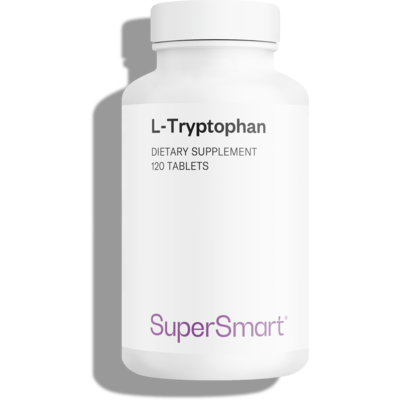
To replenish your supply, try foods that contain tryptophan (wholegrain rice, eggs, turkey, dairy products, bananas, etc.) or consider taking a tryptophan supplement (such as L-Tryptophan).
An even more direct strategy is to supplement with 5-HTP, an intermediate product of the conversion of tryptophan into serotonin (for example, with our 98% standardised griffonia 5-HTP extract) (9).
Certain adaptogenic plants that improve resistance to stress are also of interest in cases of emotional eating behaviour.
Research suggests that rhodiola (Rhodiola rosea) inhibits the appetite of hyperphagic rats, an effect attributed to its salidroside content (our Rhodiola Rosea extract is standardised to 1.8% salidroside for maximum efficacy) (10).
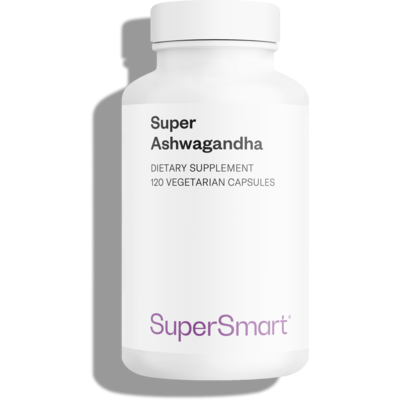
Another scientific review, compiling the results of 51 studies, also suggests that ashwagandha, which supports mental health, may curb food cravings by lowering cortisol levels, promoting a balanced reward response and improving sensitivity to the hunger hormones leptin and ghrelin (found in our Super Ashwagandha organic ashwagandha extract) (11).
For better digestion and absorption of nutrients
How can we enjoy eating when we know digestive issues may follow a meal, particularly if it's a bit bigger than normal?
Probiotics, which help maintain intestinal balance, can help limit certain postprandial discomforts, including bloating and flatulence (12).
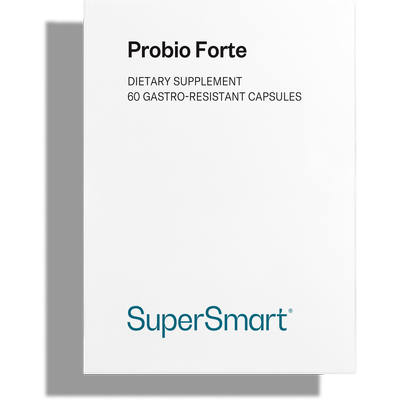
Certain strains of lactobacilli are also thought to optimise mineral absorption by breaking down phytic acid, an anti-nutritional factor in plants (Probio Forte gastro-resistant capsules combine 3 bacteria from the genus Lactobacillus with Bifidobacterium lactis and Lactococcus lactis) (13).
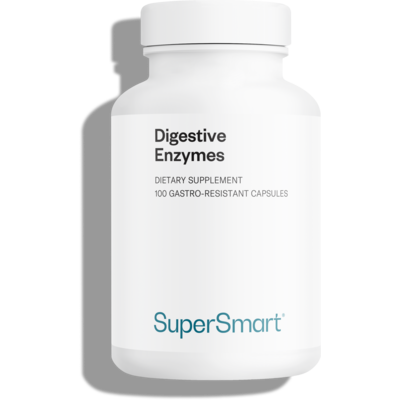
A supply of digestive enzymes also improves the digestibility and assimilation of potentially problematic foods, such as milk or fibre (Digestive Enzymes offers a full spectrum, combining proteases, amylase, lipase, lactase, cellulase, etc.) (14).
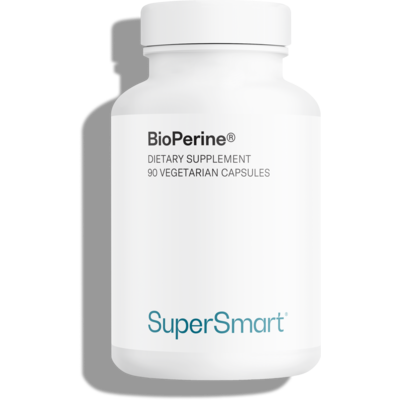
In addition to its digestive and aperitif properties, the piperine in black pepper boosts the bioavailability of various micronutrients, including vitamin C, selenium, iron and beta-carotene (Bioperine® is standardised at 95% natural piperine, the highest level on the market) (15).
To temper sweet cravings
When the occasional pleasure of chocolate, pastries and the like turns into a persistent craving for sweet foods, the first step is to understand why. Perhaps it’s an attempt to soothe anxiety, to combat boredom, or to meet some other emotional need.
As well as working on the cause, it is possible to take various substances that will more or less directly modulate sugar cravings.
You can start with gymnema sylvestre, which normalises sugar metabolism via its gymnenic acids (16).
At the same time, one of its polypeptides, gurmarin, is thought to inhibit the perception of sweet taste on the taste buds of the tongue, naturally reducing the appetite for this type of food (extracted from gymnema leaves, our Gymnema Sylvestre extract standardised to 75% gymnemic acids also contains the precious gurmarin) (17).
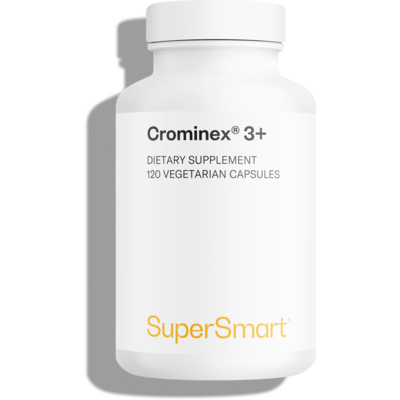
Chromium (isolated in its trivalent form in Crominex®3+) helps to maintain normal blood sugar levels by increasing the number of insulin receptors and the sensitivity of β-cells in the pancreas (18).
An alkaloid derived from barberry, berberine also helps to regulate blood sugar levels, this time by activating an enzyme protein called AMPK, which acts as a sort of energy sensor in cells (with its innovative delivery system, Berberine Max Bioactivity is 10 times better absorbed than standard berberine extracts) (19).
SUPERSMART ADVICE
References
- Volkow ND, Wang GJ, Baler RD. Reward, the control of food intake: implications for obesity. Trends Cogn Sci. 2011 Jan;15(1):37-46. doi: 10.1016/j.tics.2010.11.001. Epub 2010 Nov 24. PMID: 21109477; PMCID: PMC3124340.
- Tindle J, Tadi P. Neuroanatomy, Parasympathetic Nervous System. [Updated 2022 Oct 31]. In: StatPearls [Internet]. Treasure Island (FL): StatPearls Publishing; 2025 Jan-. Available from: https://www.ncbi.nlm.nih.gov/books/NBK553141/
- van Strien T, Roelofs K, de Weerth C. Cortisol reactivity and distress-induced emotional eating. 2013 May;38(5):677-84. doi: 10.1016/j.psyneuen.2012.08.008. Epub 2012 Sep 19. PMID: 22999262.
- Abraham SB, Rubino D, Sinaii N, Ramsey S, Nieman LK. Cortisol, obesity, and the metabolic syndrome: a cross-sectional study of obese subjects and review of the literature. Obesity (Silver Spring). 2013 Jan;21(1):E105-17. doi: 10.1002/oby.20083. PMID: 23505190; PMCID: PMC3602916.
- Yiengprugsawan V, Banwell C, Takeda W, Dixon J, Seubsman SA, Sleigh AC. Health, happiness and eating together: what can a large Thai cohort study tell us? Glob J Health Sci. 2015 Jan 14;7(4):270-7. doi: 10.5539/gjhs.v7n4p270. PMID: 25946941; PMCID: PMC4802060.
- van Strien T. Causes of Emotional Eating and Matched Treatment of Obesity. Curr Diab Rep. 2018 Apr 25;18(6):35. doi: 10.1007/s11892-018-1000-x. PMID: 29696418; PMCID: PMC5918520.
- Nelson JB. Mindful Eating: The Art of Presence While You Eat. Diabetes Spectr. 2017 Aug;30(3):171-174. doi: 10.2337/ds17-0015. PMID: 28848310; PMCID: PMC5556586.
- Yan Z, He Y, Cai X, Shu G, Xu Y. Eating for hunger or pleasure: a Serotonin Model. J Mol Cell Biol. 2021 Dec 6;13(9):693-694. doi: 10.1093/jmcb/mjab055. PMID: 34480567; PMCID: PMC8648382.
- Maffei ME. 5-Hydroxytryptophan (5-HTP): Natural Occurrence, Analysis, Biosynthesis, Biotechnology, Physiology and Toxicology. Int J Mol Sci. 2020 Dec 26;22(1):181. doi: 10.3390/ijms22010181. PMID: 33375373; PMCID: PMC7796270.
- Cifani C, Micioni Di Bonaventura MV, Vitale G, Ruggieri V, Ciccocioppo R, Massi M. Effect of salidroside, active principle of Rhodiola rosea extract, on binge eating. Physiol Behav. 2010 Dec 2;101(5):555-62. doi: 10.1016/j.physbeh.2010.09.006. Epub 2010 Sep 15. PMID: 20837037.
- Quinones D, Barrow M, Seidler K. Investigating the Impact of Ashwagandha and Meditation on Stress Induced Obesogenic Eating Behaviours. J Am Nutr Assoc. 2025 Jan;44(1):68-88. doi: 10.1080/27697061.2024.2401054. Epub 2024 Sep 10. PMID: 39254702.
- Soheilipour M, Tabesh E, Najmi S, Raisi M, Adibi P. Evaluation and comparison of therapeutic effects of probiotics and colloidal bismuth subcitrate on abdominal bloating. Caspian J Intern Med. 2023 Summer;14(3):518-525. doi: 10.22088/cjim.14.3.518. PMID: 37520877; PMCID: PMC10379796.
- Varvara RA, Vodnar DC. Probiotic-driven advancement: Exploring the intricacies of mineral absorption in the human body. Food Chem X. 2023 Dec 13;21:101067. doi: 10.1016/j.fochx.2023.101067. PMID: 38187950; PMCID: PMC10767166.
- Ianiro G, Pecere S, Giorgio V, Gasbarrini A, Cammarota G. Digestive Enzyme Supplementation in Gastrointestinal Diseases. Curr Drug Metab. 2016;17(2):187-93. doi: 10.2174/138920021702160114150137. PMID: 26806042; PMCID: PMC4923703.
- Fernández-Lázaro D, Mielgo-Ayuso J, Córdova Martínez A, Seco-Calvo J. Iron and Physical Activity: Bioavailability Enhancers, Properties of Black Pepper (Bioperine®) and Potential Applications. 2020 Jun 24;12(6):1886. doi: 10.3390/nu12061886. PMID: 32599787; PMCID: PMC7353321.
- Devangan S, Varghese B, Johny E, Gurram S, Adela R. The effect of Gymnema sylvestre supplementation on glycemic control in type 2 diabetes patients: A systematic review and meta-analysis. Phytother Res. 2021 Dec;35(12):6802-6812. doi: 10.1002/ptr.7265. Epub 2021 Sep 1. PMID: 34467577.
- Sigoillot M, Brockhoff A, Neiers F, Poirier N, Belloir C, Legrand P, Charron C, Roblin P, Meyerhof W, Briand L. The Crystal Structure of Gurmarin, a Sweet Taste-Suppressing Protein: Identification of the Amino Acid Residues Essential for Inhibition. Chem Senses. 2018 Sep 22;43(8):635-643. doi: 10.1093/chemse/bjy054. PMID: 30137256.
- Asbaghi O, Fatemeh N, Mahnaz RK, Ehsan G, Elham E, Behzad N, Damoon AL, Amirmansour AN. Effects of chromium supplementation on glycemic control in patients with type 2 diabetes: a systematic review and meta-analysis of randomized controlled trials. Pharmacol Res. 2020 Nov;161:105098. doi: 10.1016/j.phrs.2020.105098. Epub 2020 Jul 28. PMID: 32730903.
- Jin Y, Liu S, Ma Q, Xiao D, Chen L. Berberine enhances the AMPK activation and autophagy and mitigates high glucose-induced apoptosis of mouse podocytes. Eur J Pharmacol. 2017 Jan 5;794:106-114. doi: 10.1016/j.ejphar.2016.11.037. Epub 2016 Nov 22. PMID: 27887947.
Keywords





4 Days
Found exactly what I was looking for…
Found exactly what I was looking for already made my first batch of yogurts all is working great! Shipping email notices letting me know tracking number, etc. all around a good deal
CROCKER John
4 Days
Good products and fair prices.
Good products and fair prices.
John Devere
10 Days
Excellent products.
Excellent products. Fast delivery and good customer’s service
BUISSON Laurence
14 Days
Very good product and fabulous service.
Very good product and fabulous service.
LUGO Luz
19 Days
Exceed expectations
Exceed expectations
GEORGE Verne
22 Days
Excellent product
Excellent product , exceptionally efficient process and no pushy sales . Transparency of product origin ,ingredients, quality & description evidence based . Information. User friendly website . easy membership , onboarding & off . EXCELLENT Prices no gimmicks Fast delivery & correct . So glad I found this company .
BEAVERS SANCHEZ Tencia
25 Days
Customer service is excellent.
Customer service is excellent.
Jill
26 Days
Product is wonderful
Product is wonderful. Praise The Lord!
DMHoge
29 Days
You guys have very good quality products
You guys have very good quality products
Mariano Castillo
30 Days
Awesome company.
Very fast shipping, great prices and excellent products.
Susan
33 Days
Best price and quantity of product
Best price and quantity of product Slow delivery though in age of Amazon, but understand cost of service.
CAMPBELL Clayton
34 Days
Exceed
Exceed expectations
GEORGE Verne
42 Days
Clean ingredients
Clean ingredients
chris bentley
45 Days
Above and Beyond!
Above and Beyond!
DOMINIC
57 Days
They get the product to me quickly.
They get the product to me quickly.
GORMLEY Rebecca