
Are there probiotics that can help with depression?
Rates of depression have been growing for some years, particularly among young adults. Treatment approaches are complex but new therapeutic perspectives are emerging around probiotics which are reportedly able to influence the central nervous system…

Depression and depressive disorders: a question of chemical balance in the brain
Throughout life, we are all destined to go through bad patches, characterized by sadness, apathy, or melancholy, without actually suffering from depression. This is more commonly referred to as low mood.
Genuine depression is different - it is a recognized mental illness. To be diagnosed with depression, an individual will have typically suffered mood problems serious enough to cause significant disruption to social life and major personal suffering every day for at least two weeks, with at least four of the following accompanying symptoms:
- depressed mood associated with deep emotional pain and loss of self-esteem;
- loss of interest and enjoyment from daily activities, even those previously considered pleasurable;
- the feeling that life is not worth living;
- recurrent feelings of anxiety;
- psychomotor retardation;
- general fatigue, especially on waking in the morning;
- loss of appetite;
- sleep problems, often involving insomnia in the second half of the night and premature waking;
- attention, concentration and memory problems.
In such problems, brain function is disrupted: there are abnormalities in the production and function of neurotransmitters. This is particularly so with serotonin (zest for life), dopamine (pursuit of pleasure), GABA (‘switching off’), and noradrenaline (desire to move forward), all of which have a positive effect on mood.
That’s why doctors often prescribe drugs capable of rebalancing brain chemistry, particularly anti-depressants that can increase levels of these neurotransmitters (such as selective serotonin reuptake inhibitors (SSRIs) which block reuptake of the neurotransmitter by nerve cells, thus increasing the amount of available serotonin).
Probiotics for restoring levels of certain neurotransmitters and improving mood?
Probiotics are microorganisms present in certain fermented foods that have a beneficial effect on our gut microbiota, the huge collection of microbes that colonize our intestines. Unlike the bacteria that make up this microbiota, probiotics are not permanently implanted in the digestive tract. Their effects are thus temporary, but they are nonetheless indisputable: thousands of studies conducted over the past 20 years have demonstrated the contribution they make to the balance of the gut microbiota. In short, they drive out unwelcome pathogenic bacteria and encourage the return and proliferation of beneficial bacteria, the kind that has lived in symbiosis with mankind for thousands of years.
This rebalancing naturally has positive consequences for digestive function, but less predictably, it has been scientifically shown to have potential benefits for mental health too, especially mood. Microorganisms in the gut are not only able to produce neurotransmitters identical in all respects to those produced in the brain but they also transport them there via the vagus nerve which runs from the brain to the abdomen. This is how our microbes are thought to constantly interact with the brain, by exchanging various signals. Several strains of Lactobacilli and Bifidobacteria secrete GABA, while other bacterial species produce serotonin (1). Some studies have even shown that the use of probiotic strains capable of producing these neurotransmitters has a real effect on levels of these same neurotransmitters 50cm higher up, in the frontal cortex.
A second mechanism of action may explain the benefits of these specific probiotics, rechristened psychobiotics, on mood: their ability to indirectly normalize inflammation levels. How do they do this? By strengthening the intestinal barrier, thus making it harder for pathogenic bacteria to breach it (2) and ultimately, by reducing the number of inflammatory cytokines and harmful substances circulating in the body. Inflammatory markers are abnormally high in depressed individuals (3-5).
Probiotics and other supplements of interest for depression and mental health in general
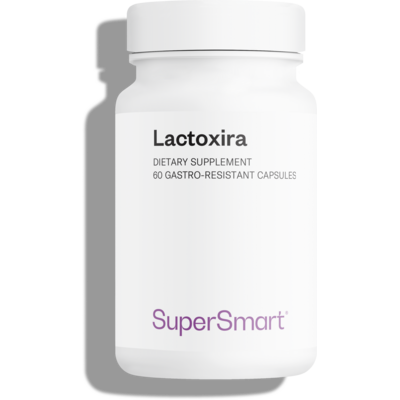
It’s worth noting that there are already synergistic formulations containing some of the probiotic strains discussed in the above-mentioned studies. The cutting-edge supplement Lactoxira has been specially formulated to reflect the latest discoveries relating to the gut-brain axis. It can help tackle episodes of the blues and negative mood, as can other, more classic supplements.
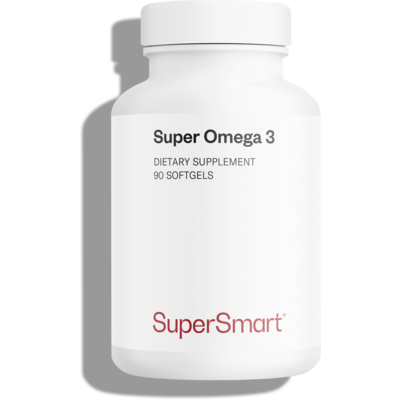
In terms of other supplements, omega-3 fatty acids (such as SuperSmart’s Super Omega 3), play a role in the fluidity of brain cell membranes and influence neurotransmitter levels. One form of omega-3, DHA, is thus recognized for helping to maintain healthy brain function (6).
The B group vitamins, especially folic acid, are also worth considering. They play an important role in the synthesis of mood-influencing neurotransmitters (including serotonin).
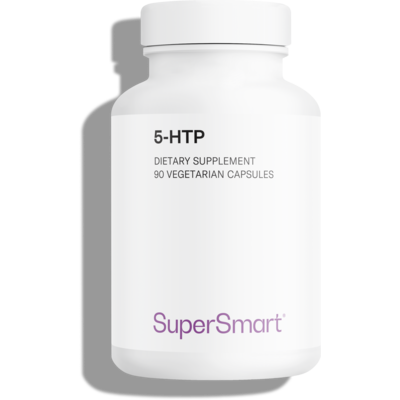
Last but not least, there’s 5-HTP, a popular serotonin precursor, typically extracted from the seeds of the African plant Griffonia simplicifolia.
Of course, if you’re considering taking supplements in the context of low mood or depression, you should feel free to consult a health professional first.
SuperSmart ADVICE
References
- Dinan TG, Stanton C, Cryan JF (2013) Psychobiotics: a novel class of psychotropic. Biol Psychiatry 74(10):720–726
- Maes M, Kubera M, Leunis JC et al (2013) In depression, bacterial translocation may drive inflammatory responses, oxidative and nitrosative stress (O&NS), and autoimmune responses directed against O&NS-damaged neoepitopes. Acta Psychiatr Scand 127(5):344–354
- Wium-Andersen MK, Ørsted DD, Nielsen SF, et al: Elevated C-reactive protein levels, psychological distress, and depression in 73,131 individuals. JAMA Psychiatry 2013; 70:176–184
- Cepeda MS, Makadia R: Depression is associated with high levels of C reactive protein and low levels of exhaled nitric oxide: results from the 2007–2012 National Health and Nutrition Examination Surveys. J Clin Psychiatry (Epub ahead of print, June 21, 2016)
- Berk M, Williams LJ, Jacka FN, et al: So depression is an inflammatory disease, but where does the inflammation come from? BMC Med 2013; 11:200
- Hibbeln JR. Fish consumption and major depression. Lancet. 1998;351(9110):1213. Lettre; Texte intégral
Keywords





4 Days
Found exactly what I was looking for…
Found exactly what I was looking for already made my first batch of yogurts all is working great! Shipping email notices letting me know tracking number, etc. all around a good deal
CROCKER John
4 Days
Good products and fair prices.
Good products and fair prices.
John Devere
10 Days
Excellent products.
Excellent products. Fast delivery and good customer’s service
BUISSON Laurence
14 Days
Very good product and fabulous service.
Very good product and fabulous service.
LUGO Luz
19 Days
Exceed expectations
Exceed expectations
GEORGE Verne
22 Days
Excellent product
Excellent product , exceptionally efficient process and no pushy sales . Transparency of product origin ,ingredients, quality & description evidence based . Information. User friendly website . easy membership , onboarding & off . EXCELLENT Prices no gimmicks Fast delivery & correct . So glad I found this company .
BEAVERS SANCHEZ Tencia
25 Days
Customer service is excellent.
Customer service is excellent.
Jill
26 Days
Product is wonderful
Product is wonderful. Praise The Lord!
DMHoge
29 Days
You guys have very good quality products
You guys have very good quality products
Mariano Castillo
30 Days
Awesome company.
Very fast shipping, great prices and excellent products.
Susan
33 Days
Best price and quantity of product
Best price and quantity of product Slow delivery though in age of Amazon, but understand cost of service.
CAMPBELL Clayton
34 Days
Exceed
Exceed expectations
GEORGE Verne
42 Days
Clean ingredients
Clean ingredients
chris bentley
45 Days
Above and Beyond!
Above and Beyond!
DOMINIC
56 Days
They get the product to me quickly.
They get the product to me quickly.
GORMLEY Rebecca