
Iron: Everything you Need to Know About this Essential Mineral
Do you sometimes experience low energy? It could be related to nutritional intake. Iron is a key mineral in the body, and maintaining adequate levels plays an important role in everyday well-being. Here is everything you need to know.

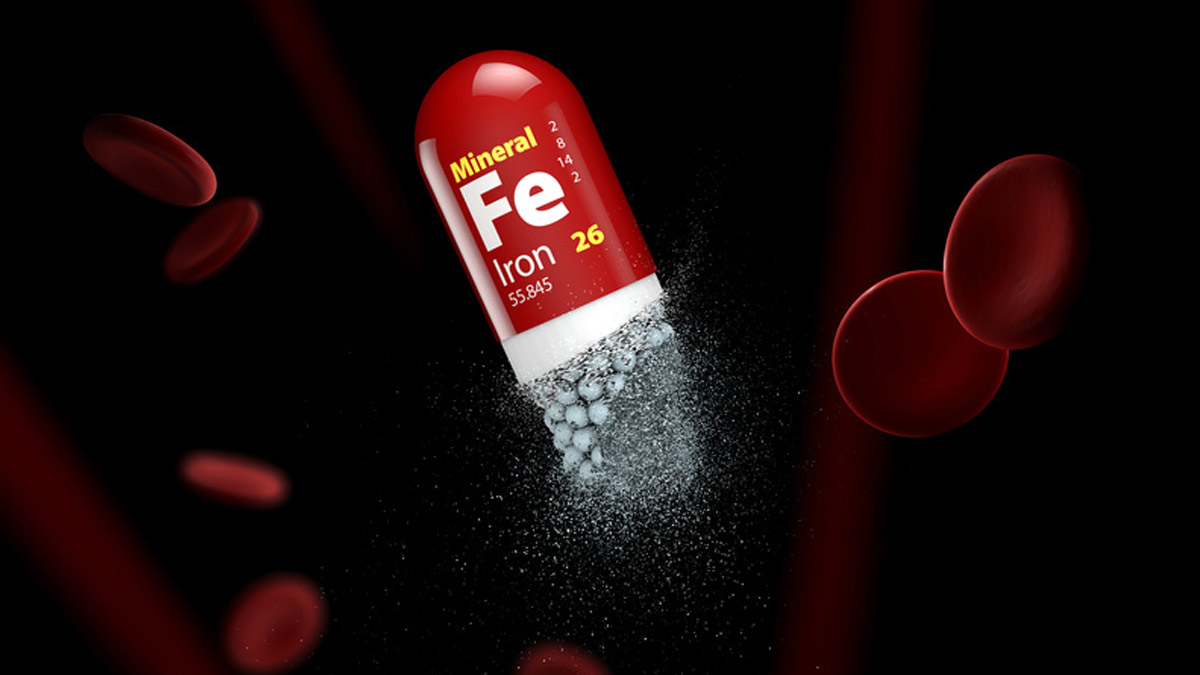
Iron Plays an Important Role in the Body
Iron is an essential trace mineral involved in numerous physiological functions. In particular, it participates in oxygen transport throughout the body and contributes to the formation of red blood cells. It may also play a role in energy production mechanisms, particularly through ATP (adenosine triphosphate).
A Balanced Diet to Meet Iron Needs
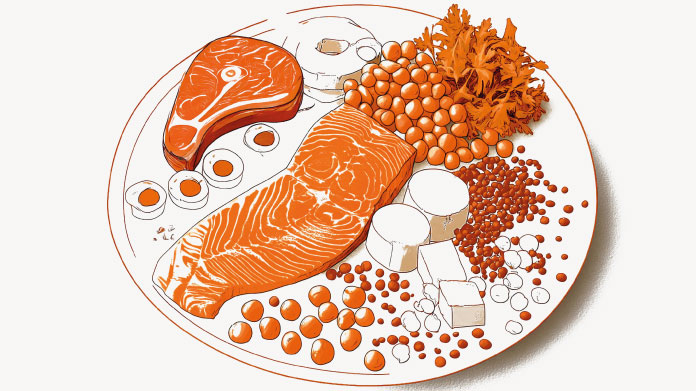
A varied and balanced diet is generally sufficient to meet iron requirements. Dietary sources include meat, organ meats, eggs, legumes, whole grains, leafy green vegetables, and chocolate. However, iron absorption varies depending on its form: heme iron (mainly from animal sources) is generally better absorbed (around 20% to 30%) than non-heme iron (found in plant foods) (around 2% to 5%).
To help support iron absorption, it is recommended to include foods rich in vitamin C in the same meal (such as citrus fruits, kiwi, cabbage, etc.).
In certain situations, such as during pregnancy, iron requirements may increase and require particular attention.
Biological Monitoring to Assess Iron Status
Iron levels in the body may vary without obvious signs. Laboratory testing can help assess iron stores, particularly by measuring ferritin. Several factors, including dietary habits and certain lifestyle factors, may influence iron levels. If you have any concerns, consulting a healthcare professional is recommended.
Iron Requirements According to Individual Needs
Iron requirements vary depending on age, sex, and stage of life. In women, requirements may be higher, particularly between puberty and menopause. During pregnancy, iron needs usually increase further to support the body's physiological changes.
The recommended daily allowance (RDA) is also generally higher for women than for men.
Iron and Physical Activity
In physically active individuals, nutritional needs may differ due to increased energy expenditure and the body's adaptations to exercise. Iron contributes to oxygen transport, which may be an important factor in helping to support regular physical activity.
Specific Dietary Patterns
People following vegetarian or vegan diets may benefit from paying particular attention to their iron intake, as plant foods primarily provide non-heme iron. A well-planned diet could help optimize iron intake.
In some cases, additional options such as iron supplementation may be considered. Other compounds, including lactoferrin and colostrum, may also be included in certain nutritional approaches.
Iron Balance and Overall Well-Being
Iron may contribute to numerous functions within the body. Maintaining adequate iron intake is part of a comprehensive approach to overall well-being and nutritional balance.
Persistent low energy or feelings of fatigue may be associated with a variety of factors, including nutritional intake. If you have concerns, it is recommended to consult a healthcare professional to assess your individual situation and adjust your diet if necessary.
In children and adolescents, nutritional needs change as they grow. A varied and balanced diet that includes iron-rich foods helps support these evolving requirements.
Keywords




4 Days
Found exactly what I was looking for…
Found exactly what I was looking for already made my first batch of yogurts all is working great! Shipping email notices letting me know tracking number, etc. all around a good deal
CROCKER John
4 Days
Good products and fair prices.
Good products and fair prices.
John Devere
10 Days
Excellent products.
Excellent products. Fast delivery and good customer’s service
BUISSON Laurence
14 Days
Very good product and fabulous service.
Very good product and fabulous service.
LUGO Luz
19 Days
Exceed expectations
Exceed expectations
GEORGE Verne
22 Days
Excellent product
Excellent product , exceptionally efficient process and no pushy sales . Transparency of product origin ,ingredients, quality & description evidence based . Information. User friendly website . easy membership , onboarding & off . EXCELLENT Prices no gimmicks Fast delivery & correct . So glad I found this company .
BEAVERS SANCHEZ Tencia
25 Days
Customer service is excellent.
Customer service is excellent.
Jill
26 Days
Product is wonderful
Product is wonderful. Praise The Lord!
DMHoge
29 Days
You guys have very good quality products
You guys have very good quality products
Mariano Castillo
30 Days
Awesome company.
Very fast shipping, great prices and excellent products.
Susan
33 Days
Best price and quantity of product
Best price and quantity of product Slow delivery though in age of Amazon, but understand cost of service.
CAMPBELL Clayton
34 Days
Exceed
Exceed expectations
GEORGE Verne
42 Days
Clean ingredients
Clean ingredients
chris bentley
45 Days
Above and Beyond!
Above and Beyond!
DOMINIC
56 Days
They get the product to me quickly.
They get the product to me quickly.
GORMLEY Rebecca