
How to strengthen your immune system
The immune system is the vital collection of defense mechanisms that ensure your survival. Discover how to boost and support it on a daily basis.


How do you know if you have a good immune system?
The primary role of the immune system is to protect the body against pathogens: viruses, bacteria, parasites… With several lines of defense (physical barriers, white cells, antibodies …), it works to block access to these microorganisms, and to neutralize and/or eliminate them (1-2).
In practice then, an effective immune system will mean a lower tendency to infections, rapid recovery, normal wound-healing and good general health. In contrast, suffering from recurrent urinary or fungal infections, repeatedly catching winter colds, and feeling constantly tired (even after a good night’s sleep) are very often signs of weakened immunity (3).
Certain population groups have naturally weaker defenses:
- young children, whose immune systems are not yet sufficiently mature (4);
- pregnant women, whose immunity adapts so that it does not reject the fetus as a foreign body (5);
- the elderly, whose immune defenses have become less effective with age (6);
- people receiving cytotoxic treatments (chemotherapy…) which destroys part of their immune cells (7);
- those suffering from chronic conditions (diabetes, obesity, hypertension…) who have constant low grade inflammation likely to reduce immunity (8).
Foods which weaken the immune system
Certain foods disrupt immune system function, either because they release inflammatory or pro-oxidant molecules, or because they upset the balance of the microbiota (which we now know is linked to immunity).
Culprits include sugar, alcohol, fatty meats and charcuterie (and more generally, an excess of meat products), burnt foods and ultra-processed products (9), see our article on foods bad for immunity.
Boosting your immune system naturally: helpful tips
Improve your sleep
Sleep is thought to play a key role in immunological memory. One study suggests that sleeping at night facilitates the redistribution of T lymphocytes to lymph nodes and may increase production of interleukin-12 (IL-12), involved in, amongst others, immune surveillance against tumors (10).
Conversely, a prolonged lack of sleep may stimulate production of non-specific pro-inflammatory cytokines, which are responsible for chronic low-grade inflammation and immunodeficiency. Getting enough sleep (7-9 hours a night) would therefore seem to be essential for optimising the immune response.
Engage in moderate exercise
The impact of sports activity on immunity varies significantly depending on the duration and intensity of the activity. Exercising at a moderate level for up to 60 minutes may improve immunosurveillance, with increased recirculation of immunoglobulins, neutrophils, NK (natural killer) cells and cytotoxic T lymphocytes (11).
This effect may be reversed, however, in the case of prolonged, intense exercise. Several epidemiological studies suggest an increased risk of upper respiratory tract infections in marathon-runners during training or following a competition (12), though certain factors specific to high-level sports activity (mental stress, sleep deprivation) may skew the interpretation of results.
Avoid stress
Chronic stress is associated with raised levels of cortisol and corticosteroids. While these ordinarily keep the immune response in check, chronic elevations can induce a form of ‘resistance’, resulting in over-production of inflammatory cytokines, blurred communication between immune cells, and even reactivation of dormant viruses (13).
So try to minimise any nervous tension by engaging in sport, yoga or meditation, for example.
Watch your diet
To boost your immunity, it’s important to eat a balanced diet, with plenty of micronutrients and antioxidants.
This means prioritising highly-colored fruits and vegetables (containing good levels of vitamin C and polyphenols), forms of fibre that benefit the gut flora (present in pulses and whole grains) and natural probiotics (from fermented products) (14). Remember too to include seafood (a source of zinc) and oily fish (rich in omega-3) (15).
Which are the best vitamins for giving your immune system a boost?
Several vitamins are excellent for immunity.
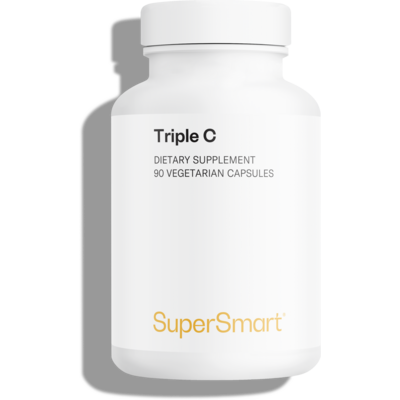
The star nutrient in orange juice, vitamin C is also concentrated in parsley and peppers. It plays a direct role in maintaining normal immune function, acting at different levels: strengthening the epithelial barrier, accumulating in neutrophil white cells, enhancing lymphocyte differentiation (16) … For those who eat few fruits and vegetables, supplementing with vitamin C (for example, the super-potent Triple C which combines three synergistic forms of vitamin C) is a sensible measure.
Vitamin D, primarily synthesised by exposure to the sun, also helps to maintain normal immune function (both innate and acquired). Vitamin D receptors are also expressed by B lymphocytes, T lymphocytes and antigen-presenting cells (17).
Minerals
Certain minerals also have excellent effects on the immune defenses.
In particular, it’s been shown that a lack of zinc increases the risk of infection, yet more than a fifth of the global population is thought to have inadequate zinc status, with vegetarians and the elderly most affected (18). Such groups would therefore benefit from taking a supplement (such as the convenient, suckable Advanced Zinc Lozenges).
Boosting your immune system: supplements to consider
You can also support your immune system using plants.
Reishi (Ganoderma lucidum) for example, more than merits its ‘mushroom of immortality’ moniker! Documented in the Chinese pharmacopoeia as far back as the first century BC, this species of fungus helps to support immunity through its unique combination of polysaccharides, peptidoglycans and triterpenes (which can be found in Organic MycoComplex, a super-synergy of 7 organic, medicinal mushrooms) (19).
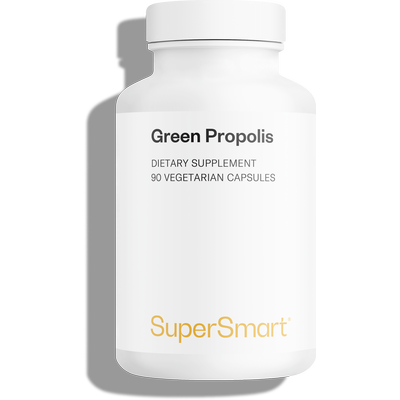
One of the most popular beehive products, propolis is unusually nutrient-rich, with over 300 exceptional compounds (flavonoids, phenolic acids, vitamins A and B, minerals…) (20). Bees cover the inside of their hive with this precious coating – a mixture of plant resins, wax and saliva - to seal it against intruders. Green propolis from Brazil (the ingredient in the supplement Green Propolis) is notable for its content of artepillin C which is attracting huge scientific interest (21).
An exceptional booster, ginseng root is known to help support vitality and maintain strong immune function. It is an adaptogen plant, which means it is able to improve the body’s resistance and response to various stressors. Scientists have been studying, in particular, the effects of the plant’s ginsenosides on macrophage phagocytosis, the process in which pathogens are engulfed (hence the standardisation to 30% ginsenosides of the supplement Ginseng 30%) (22).
The glycoprotein lactoferrin is part of the beta-globulin family. Abundant in colostrum, the first form of breast milk, it is also found in many organs and secretory fluids (saliva, tears, sperm, bronchial secretions ...) that interface with the outside world. Its ability to bind to iron, to which pathogens are particularly drawn, may account for its benefits (the supplement Lactoferrin, which is purified and free from synthetic excipients) is obtained directly from whey protein) (23).
SuperSmart ADVICE
References
- Nicholson LB. The immune system. Essays Biochem. 2016 Oct 31;60(3):275-301. doi: 10.1042/EBC20160017. PMID: 27784777; PMCID: PMC5091071.
- Chaplin DD. Overview of the immune response. J Allergy Clin Immunol. 2010 Feb;125(2 Suppl 2):S3-23. doi: 10.1016/j.jaci.2009.12.980. PMID: 20176265; PMCID: PMC2923430.
- Chaplin DD. Overview of the immune response. J Allergy Clin Immunol. 2010 Feb;125(2 Suppl 2):S3-23. doi: 10.1016/j.jaci.2009.12.980. PMID: 20176265; PMCID: PMC2923430.
- Simon AK, Hollander GA, McMichael A. Evolution of the immune system in humans from infancy to old age. Proc Biol Sci. 2015 Dec 22;282(1821):20143085. doi: 10.1098/rspb.2014.3085. PMID: 26702035; PMCID: PMC4707740.
- Abu-Raya B, Michalski C, Sadarangani M, Lavoie PM. Maternal Immunological Adaptation During Normal Pregnancy. Front Immunol. 2020 Oct 7;11:575197. doi: 10.3389/fimmu.2020.575197. PMID: 33133091; PMCID: PMC7579415.
- Montecino-Rodriguez E, Berent-Maoz B, Dorshkind K. Causes, consequences, and reversal of immune system aging. J Clin Invest. 2013 Mar;123(3):958-65. doi: 10.1172/JCI64096. Epub 2013 Mar 1. PMID: 23454758; PMCID: PMC3582124.
- Rasmussen L, Arvin A. Chemotherapy-induced immunosuppression. Environ Health Perspect. 1982 Feb;43:21-5. doi: 10.1289/ehp.824321. PMID: 7037385; PMCID: PMC1568884.
- de Frel DL, Atsma DE, Pijl H, Seidell JC, Leenen PJM, Dik WA, van Rossum EFC. The Impact of Obesity and Lifestyle on the Immune System and Susceptibility to Infections Such as COVID-19. Front Nutr. 2020 Nov 19;7:597600. doi: 10.3389/fnut.2020.597600. PMID: 33330597; PMCID: PMC7711810.
- Childs CE, Calder PC, Miles EA. Diet and Immune Function. Nutrients. 2019 Aug 16;11(8):1933. doi: 10.3390/nu11081933. PMID: 31426423; PMCID: PMC6723551.
- Besedovsky L, Lange T, Born J. Sleep and immune function. Pflugers Arch. 2012 Jan;463(1):121-37. doi: 10.1007/s00424-011-1044-0. Epub 2011 Nov 10. PMID: 22071480; PMCID: PMC3256323.
- Nieman DC, Wentz LM. The compelling link between physical activity and the body's defense system. J Sport Health Sci. 2019 May;8(3):201-217. doi: 10.1016/j.jshs.2018.09.009. Epub 2018 Nov 16. PMID: 31193280; PMCID: PMC6523821.
- Nieman DC, Johanssen LM, Lee JW, Arabatzis K. Infectious episodes in runners before and after the Los Angeles Marathon. J Sports Med Phys Fitness. 1990 Sep;30(3):316-28. PMID: 2266764.
- Bae YS, Shin EC, Bae YS, Van Eden W. Editorial: Stress and Immunity. Front Immunol. 2019 Feb 14;10:245. doi: 10.3389/fimmu.2019.00245. PMID: 30837994; PMCID: PMC6383636.
- Vishwakarma S, Panigrahi C, Barua S, Sahoo M, Mandliya S. Food nutrients as inherent sources of immunomodulation during COVID-19 pandemic. Lebensm Wiss Technol. 2022 Mar 15;158:113154. doi: 10.1016/j.lwt.2022.113154. Epub 2022 Jan 31. PMID: 35125518; PMCID: PMC8801482.
- Gutiérrez S, Svahn SL, Johansson ME. Effects of Omega-3 Fatty Acids on Immune Cells. Int J Mol Sci. 2019 Oct 11;20(20):5028. doi: 10.3390/ijms20205028. PMID: 31614433; PMCID: PMC6834330.
- Carr AC, Maggini S. Vitamin C and Immune Function. Nutrients. 2017 Nov 3;9(11):1211. doi: 10.3390/nu9111211. PMID: 29099763; PMCID: PMC5707683.
- Aranow C. Vitamin D and the immune system. J Investig Med. 2011 Aug;59(6):881-6. doi: 10.2310/JIM.0b013e31821b8755. PMID: 21527855; PMCID: PMC3166406.
- Wessels I, Maywald M, Rink L. Zinc as a Gatekeeper of Immune Function. 2017 Nov 25;9(12):1286. doi: 10.3390/nu9121286. PMID: 29186856; PMCID: PMC5748737.
- Wachtel-Galor S, Yuen J, Buswell JA, et al. Ganoderma lucidum (Lingzhi or Reishi): A Medicinal Mushroom. In: Benzie IFF, Wachtel-Galor S, editors. Herbal Medicine: Biomolecular and Clinical Aspects. 2nd edition. Boca Raton (FL): CRC Press/Taylor & Francis; 2011. Chapter 9. Available from: https://www.ncbi.nlm.nih.gov/books/NBK92757/
- Braakhuis A. Evidence on the Health Benefits of Supplemental Propolis. 2019 Nov 8;11(11):2705. doi: 10.3390/nu11112705. PMID: 31717277; PMCID: PMC6893770.
- Gao W, Wu J, Wei J, Pu L, Guo C, Yang J, Yang M, Luo H. Brazilian green propolis improves immune function in aged mice. J Clin Biochem Nutr. 2014 Jul;55(1):7-10. doi: 10.3164/jcbn.13-70. Epub 2014 Jul 1. PMID: 25120274; PMCID: PMC4078064.
- Kang S, Min H. Ginseng, the 'Immunity Boost': The Effects of Panax ginseng on Immune System. J Ginseng Res. 2012 Oct;36(4):354-68. doi: 10.5142/jgr.2012.36.4.354. PMID: 23717137; PMCID: PMC3659612.
- Kell DB, Heyden EL, Pretorius E. The Biology of Lactoferrin, an Iron-Binding Protein That Can Help Defend Against Viruses and Bacteria. Front Immunol. 2020 May 28;11:1221. doi: 10.3389/fimmu.2020.01221. PMID: 32574271; PMCID: PMC7271924.
Keywords




4 Days
Found exactly what I was looking for…
Found exactly what I was looking for already made my first batch of yogurts all is working great! Shipping email notices letting me know tracking number, etc. all around a good deal
CROCKER John
4 Days
Good products and fair prices.
Good products and fair prices.
John Devere
10 Days
Excellent products.
Excellent products. Fast delivery and good customer’s service
BUISSON Laurence
14 Days
Very good product and fabulous service.
Very good product and fabulous service.
LUGO Luz
19 Days
Exceed expectations
Exceed expectations
GEORGE Verne
22 Days
Excellent product
Excellent product , exceptionally efficient process and no pushy sales . Transparency of product origin ,ingredients, quality & description evidence based . Information. User friendly website . easy membership , onboarding & off . EXCELLENT Prices no gimmicks Fast delivery & correct . So glad I found this company .
BEAVERS SANCHEZ Tencia
25 Days
Customer service is excellent.
Customer service is excellent.
Jill
26 Days
Product is wonderful
Product is wonderful. Praise The Lord!
DMHoge
28 Days
You guys have very good quality products
You guys have very good quality products
Mariano Castillo
29 Days
Awesome company.
Very fast shipping, great prices and excellent products.
Susan
33 Days
Best price and quantity of product
Best price and quantity of product Slow delivery though in age of Amazon, but understand cost of service.
CAMPBELL Clayton
33 Days
Exceed
Exceed expectations
GEORGE Verne
42 Days
Clean ingredients
Clean ingredients
chris bentley
45 Days
Above and Beyond!
Above and Beyond!
DOMINIC
56 Days
They get the product to me quickly.
They get the product to me quickly.
GORMLEY Rebecca