
10 Good Reasons to Eat Fermented Foods!
Do you know about fermented foods? Nutritionally rich and known for their potential wellness benefits, fermented foods have a lot to offer!

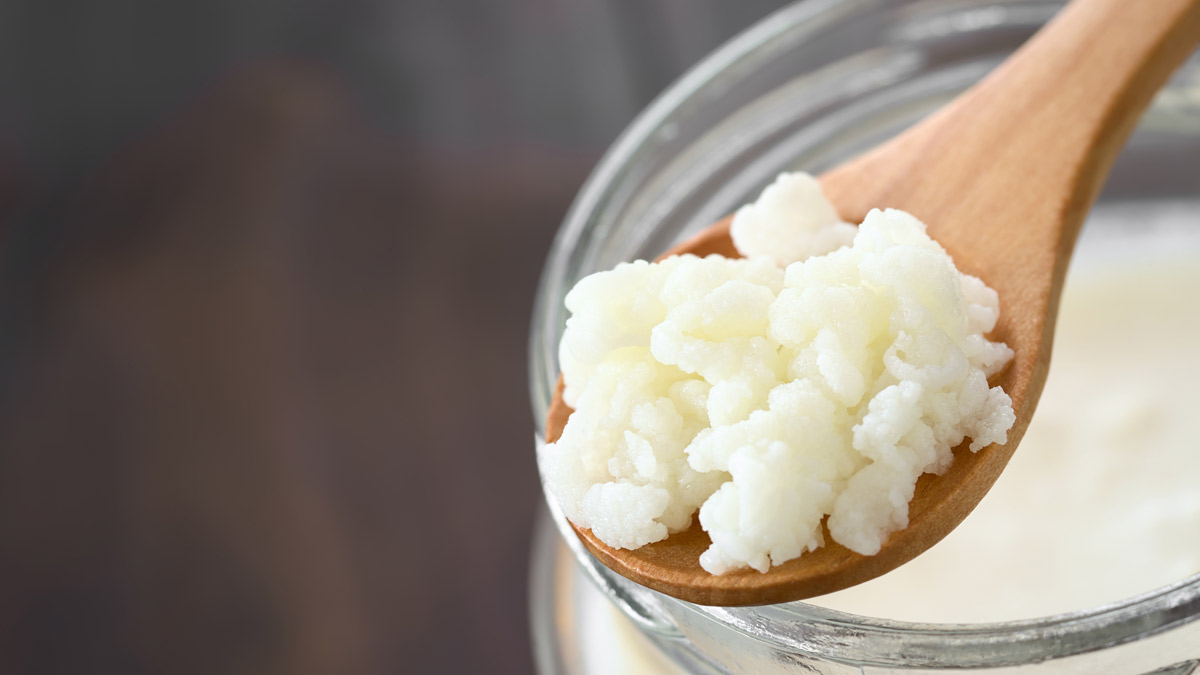
Fermented Foods Keep for a Very Long Time
Fermentation originally developed as a preservation method. Alongside salting and smoking, it is one of the oldest ways to preserve food. Fermented foods can keep for several months to up to a year without deteriorating — even when made at home. However, if upon opening the food looks or smells suspicious, it should be discarded. A fermented food can spoil if the fermentation process was not properly followed.
Fermented Foods Let You Discover Cuisines from Around the World
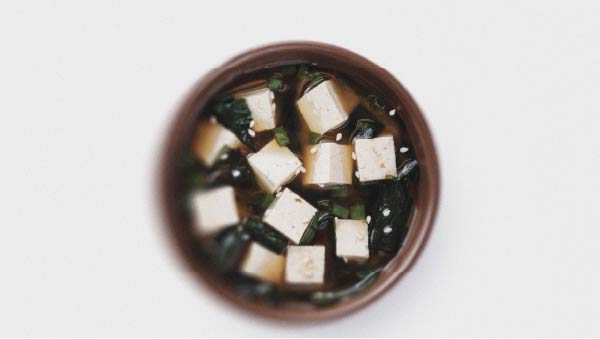
Fermentation has developed across the globe, and every country and region has its own fermented specialties. Lassi (India), kefir (Caucasus), nattō (fermented soy paste), tsukemono (Japanese pickled vegetables), kombucha (a fermented tea drink from Mongolia), or zakouski (Russian hors d’oeuvres made with brined tomatoes and sweet-and-sour pickles)… world cuisines revisit countless fermented foods! And at home, they are everywhere too: cheese is fermented, as are bread, wine, olives, beer, yogurt, pickles — and of course, the iconic sauerkraut!
The Microorganisms Used in Fermentation Are Good for Wellness
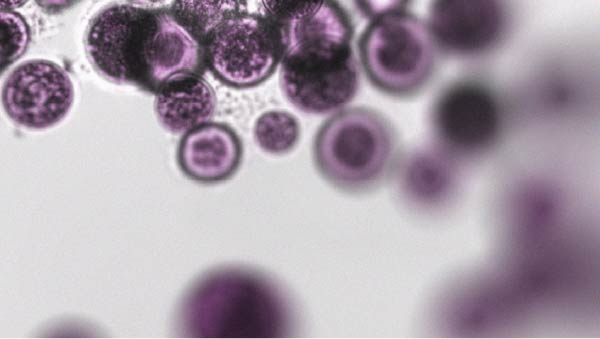
Yeasts, bacteria, molds, fungi… fermentation occurs when a living microorganism breaks down the molecules in food. These microorganisms — whether added (vinegar mother, sourdough starter, yogurt culture…) or formed during fermentation — often have noteworthy wellness properties. You can also consume these microorganisms outside of fermented foods, in the form of supplements. For example, nattokinase, an enzyme obtained from fermented soybeans, has been studied for its potential role in cardiovascular wellness. A fermented mycelium strain, cordyceps, is known for supporting endurance and overall vitality. Red yeast rice, meanwhile, may help support healthy cholesterol levels.
You Can Make Fermented Foods at Home
It’s simple and even fun. How to begin? The basic rule is to use high-quality ingredients (seasonal fruits and vegetables picked at optimal ripeness) and follow the preparation steps carefully. Equipment must be very clean to reduce unwanted bacteria and allow beneficial microorganisms to develop. Start by fermenting vegetables — the easiest option — then experiment with other recipes. Many books and websites offer guidance.
The Vitamin C in Cabbage Is Boosted by Fermentation
Fermented cabbage? An excellent idea! Why? In addition to providing vitamins, minerals, and easily digestible fiber, fermented cabbage is particularly rich in vitamin C. Fermentation significantly increases its vitamin C content. You can enjoy fermented cabbage as sauerkraut (referring to the cabbage alone, not the full dish) or try kimchi, a Korean fermented cabbage dish. Eat it on its own, with meat or fish, or sprinkled on salads.
Fermented Foods Act Like Antioxidants
Whether or not they are naturally high in antioxidants, fermented foods help improve the absorption of vitamins, minerals, and trace elements, contributing to cellular renewal in a way that resembles antioxidant activity. Fermentation can even increase the antioxidant potential of certain foods. For instance, fermented papaya extract is recognized for its strong antioxidant properties, making it a valuable option for supporting the body’s response to oxidative stress.
Fermented Foods Contain Probiotics
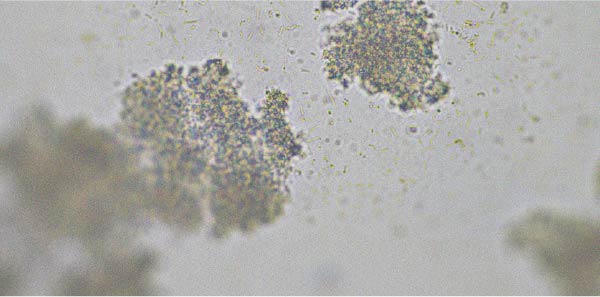
Fermented foods are the reference dietary source of probiotics. All fermented foods contain them, but lacto-fermentation (used for vegetables, milk, and some meats) — which converts sugars into lactic acid using bacteria like Lactobacillus gasseri — is likely the method that produces the most. Today we know with certainty that probiotics play a key role in maintaining a balanced intestinal flora, which itself contributes to immune function.
Fermented Foods Are Easier to Digest
Fermentation introduces bacteria that produce enzymes. These enzymes break down complex molecules into smaller ones — essentially “pre-digesting” them. Proteins become amino acids, starches break down into simple sugars, etc. The benefit? These components are easier for the digestive system to absorb. Additionally, high-fiber foods that may irritate the stomach are often better tolerated once fermented.
Fermented Foods Have Superior Nutritional Value
Because they contain beneficial bacteria (called saprophytic bacteria) developed during fermentation, fermented foods are effectively enriched compared to their non-fermented counterparts. These bacteria add to the food’s naturally present nutrients, giving fermented foods a “nutritional bonus.”
Fermented Foods Help Maintain Vitamin Intake Year-Round
Fermentation preserves vitamins and minerals — especially helpful in winter, when fresh fruits and vegetables are less abundant. Centuries ago, sailors brought sauerkraut onboard to prevent nutrient deficiencies during long voyages. Even though today we can buy almost anything year-round, fermented fruits and vegetables still offer nutritional advantages: they are harvested at peak ripeness and immediately fermented, retaining more nutrients.
It’s Easy to Add Fermented Foods to Your Regular Menu
Of course, the goal is not to eat only fermented foods! That would be counterproductive, as they can sometimes be too acidic or too high in salt. A balanced diet with plenty of fresh fruits and vegetables remains essential. But a fermented drink here, some pickles there, fermented dairy products (yogurt, kefir…) on a regular basis, and a bit of fermented cabbage in a salad are enough to enjoy their benefits without disrupting nutritional balance.
Keywords


4 Days
Found exactly what I was looking for…
Found exactly what I was looking for already made my first batch of yogurts all is working great! Shipping email notices letting me know tracking number, etc. all around a good deal
CROCKER John
4 Days
Good products and fair prices.
Good products and fair prices.
John Devere
10 Days
Excellent products.
Excellent products. Fast delivery and good customer’s service
BUISSON Laurence
14 Days
Very good product and fabulous service.
Very good product and fabulous service.
LUGO Luz
19 Days
Exceed expectations
Exceed expectations
GEORGE Verne
22 Days
Excellent product
Excellent product , exceptionally efficient process and no pushy sales . Transparency of product origin ,ingredients, quality & description evidence based . Information. User friendly website . easy membership , onboarding & off . EXCELLENT Prices no gimmicks Fast delivery & correct . So glad I found this company .
BEAVERS SANCHEZ Tencia
25 Days
Customer service is excellent.
Customer service is excellent.
Jill
26 Days
Product is wonderful
Product is wonderful. Praise The Lord!
DMHoge
28 Days
You guys have very good quality products
You guys have very good quality products
Mariano Castillo
29 Days
Awesome company.
Very fast shipping, great prices and excellent products.
Susan
33 Days
Best price and quantity of product
Best price and quantity of product Slow delivery though in age of Amazon, but understand cost of service.
CAMPBELL Clayton
33 Days
Exceed
Exceed expectations
GEORGE Verne
42 Days
Clean ingredients
Clean ingredients
chris bentley
45 Days
Above and Beyond!
Above and Beyond!
DOMINIC
56 Days
They get the product to me quickly.
They get the product to me quickly.
GORMLEY Rebecca