
Coenzyme Q10: what are the contraindications?
Though increasingly popular in the area of cellular nutrition, coenzyme Q10 does have certain contraindications. What exactly are they?


Coenzyme Q10: definition and benefits
First discovered and isolated in the United States in 1957, coenzyme Q10 (often abbreviated to CoQ10) is structurally similar to vitamin K and is found throughout the body (1). Indeed it’s this ubiquity which gives it its other name of ubiquinone.
Coenzyme Q10 is involved in the mitochondrial respiratory chain where it ensures that nutrients are converted into energy directly usable by cells (2). Indeed, it is found at greater concentrations in energy-hungry organs such as the liver, kidneys and heart muscle (3).
Production of CoQ10 unfortunately tends to decline as a result of aging, lifestyle, and taking certain medications (tricyclic antidepressants and statins, for example) (4-5). It has also been observed that people suffering from heart failure, poor gum health, metabolic abnormalities and muscle pain often have lower levels (6-7).
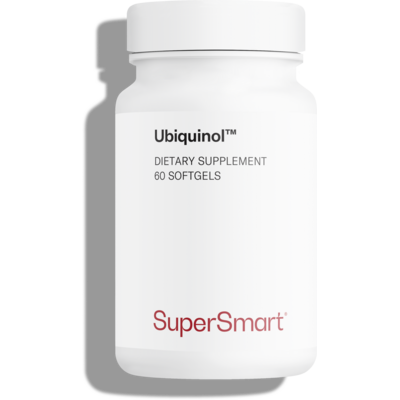
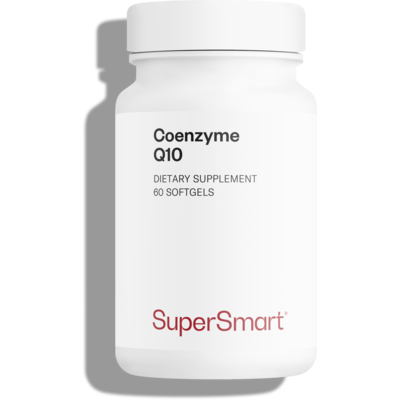
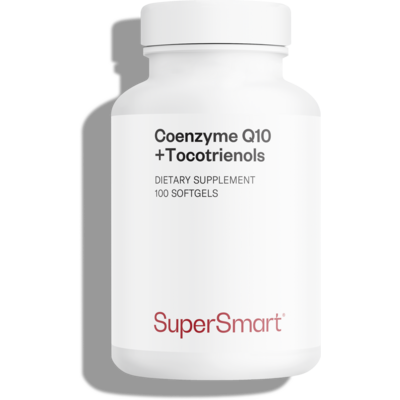
Coenzyme Q10 supplements (such as Coenzyme Q10, CoQ10+Tocotrienols and Ubiquinol) have thus been growing in popularity in recent years.
Coenzyme Q10: risks and contraindications
Though coenzyme Q10 supplementation is considered safe by the scientific community, it is contraindicated in certain, specific situations.
Pregnant women
Firstly, given the inadequate data available on safety, it is contraindicated for women who are pregnant or breastfeeding, as a precautionary measure.
CoQ10 and potential risks for diabetics
Those suffering from diabetes also need to exercise caution. While coenzyme Q10 is currently at the heart of promising studies on blood sugar regulation, it could, in some patients, cause hypoglycemia, though this is the subject of much discussion in scientific journals (8-9). The literature also reports rare cases of auto-immune insulin syndrome in non-diabetics (10). While it is still possible to supplement under medical supervision, careful monitoring of blood sugar levels is essential.
Interactions between coenzyme Q10 and certain anticoagulants
Due to its chemical similarity to vitamin K, CoQ10 could also lower the efficacy of vitamin K antagonist-type anticoagulant drugs. Some studies have reported reduced sensitivity to warfarin, a treatment routinely prescribed in coordination with heparin for pulmonary embolisms or thrombophlebitis (11-12). As coenzyme Q10 appears to accelerate its metabolism, there is an increased risk of blood clots (13), although a crossover trial conducted on 24 subjects taking warfarin did not identify any sensitivity interactions (14). In view of the somewhat contradictory conclusions in this respect, it is again best to consult a health professional before starting supplementation.
Taking CoQ10 during treatment for cancer: is there a risk?
Finally, the issue of CoQ10 supplementation during cancer treatment is the subject of much debate. While a number of studies point to its potential protective effect against cardiotoxicity induced by certain chemotherapy drugs, it may, at the same time, reduce the efficacy of pro-oxidant therapeutic strategies such as radiotherapy, cyclophosphamides and certain anti-cancer antibiotics – where the generation of free radicals plays a key role in killing cancer cells (15-16). Here again, it is crucial not to supplement without medical advice.
Coenzyme Q10: side-effects?
Coenzyme Q10 supplements are generally very well tolerated since the molecule is already naturally present in the body (17). Side-effects are therefore rare and mostly mild for healthy individuals, being mainly limited to minor gastrointestinal problems (nausea, diarrhea).
CoQ10: which supplement to choose
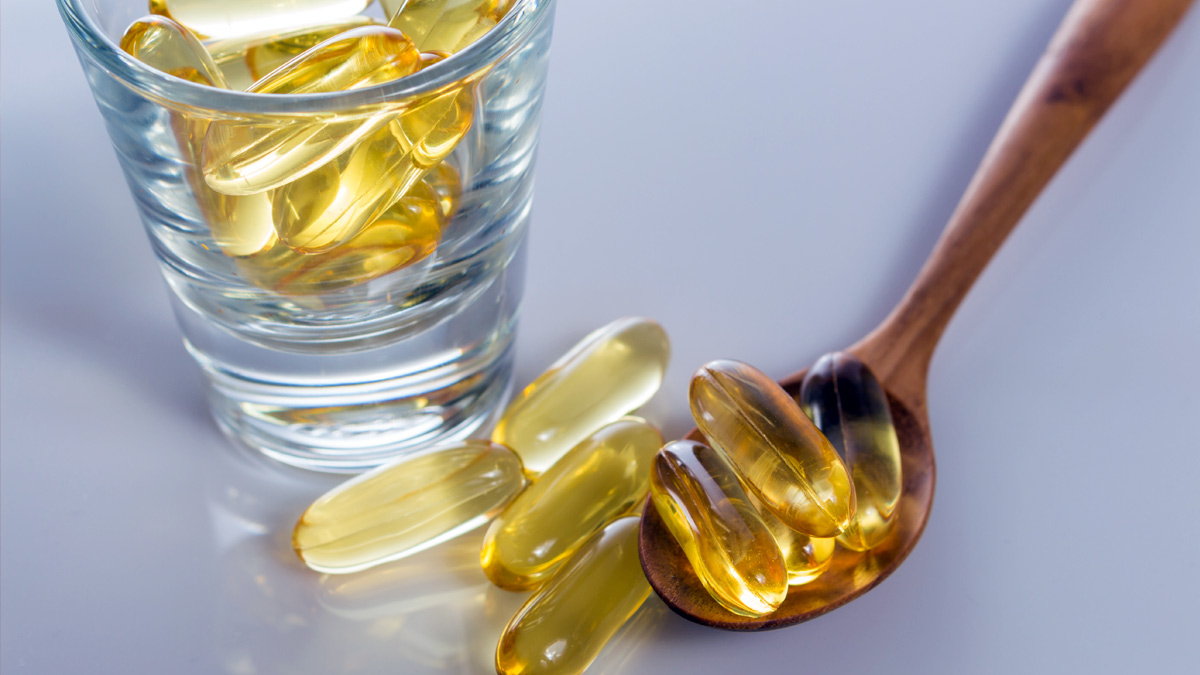
Since production of coenzyme Q10 tends to decline from the age of 30 onwards, here are some tips for increasing your intake (18). While it is found in foods such as beef, chicken, oily fish and some oleaginous fruits, you can easily and significantly boost your intake by taking coenzyme Q10 supplements with high bioavailability (such as Coenzyme Q10, which comes in oil-based capsules for maximum absorption).
In some synergistic formulations, CoQ10 is combined with fat-soluble compounds like vitamin E (tocotrienols and tocopherols) which increases its uptake ten-fold and redirects its action towards the body’s ‘fattier’ organs such as the heart (the CoQ10+Tocotrienols combo is based on a patented blend of the full spectrum of tocotrienols plus alpha-tocopherol) (19).
For it to be mobilised by cells, ubiquinone must first be converted by enzymes into ubiquinol. It’s possible to supplement directly with this form of CoQ10 which is biologically-active and known to be the best absorbed (try Ubiquinol, which again, comes in the form of softgels) (20).
SuperSmart ADVICE
References
- Saini R. Coenzyme Q10: The essential nutrient. J Pharm Bioallied Sci. 2011 Jul;3(3):466-7. doi: 10.4103/0975-7406.84471. PMID: 21966175; PMCID: PMC3178961.
- Raizner AE. Coenzyme Q10. Methodist Debakey Cardiovasc J. 2019 Jul-Sep;15(3):185-191. doi: 10.14797/mdcj-15-3-185. PMID: 31687097; PMCID: PMC6822644.
- Rabanal-Ruiz Y, Llanos-González E, Alcain FJ. The Use of Coenzyme Q10 in Cardiovascular Diseases. Antioxidants (Basel). 2021 May 10;10(5):755. doi: 10.3390/antiox10050755. PMID: 34068578; PMCID: PMC8151454.
- Deichmann R, Lavie C, Andrews S. Coenzyme q10 and statin-induced mitochondrial dysfunction. Ochsner J. 2010 Spring;10(1):16-21. PMID: 21603349; PMCID: PMC3096178.
- Moreno-Fernández AM, Cordero MD, Garrido-Maraver J, Alcocer-Gómez E, Casas-Barquero N, Carmona-López MI, Sánchez-Alcázar JA, de Miguel M. Oral treatment with amitriptyline induces coenzyme Q deficiency and oxidative stress in psychiatric patients. J Psychiatr Res. 2012 Mar;46(3):341-5. doi: 10.1016/j.jpsychires.2011.11.002. Epub 2011 Nov 26. PMID: 22118833.
- Zozina VI, Covantev S, Goroshko OA, Krasnykh LM, Kukes VG. Coenzyme Q10 in Cardiovascular and Metabolic Diseases: Current State of the Problem. Curr Cardiol Rev. 2018;14(3):164-174. doi: 10.2174/1573403X14666180416115428. PMID: 29663894; PMCID: PMC6131403.
- Ghasemi S, Torab Z, Shirmohammadi A, Babaloo A, Johari R, Farhadi F, Mobasseri M, Mohammadi H. Evaluation of the effect of coenzyme Q10 supplementation along with scaling and root planing (SRP) on periodontal and gingival indices in controlled diabetic patients. J Adv Periodontol Implant Dent. 2022 Mar 13;14(1):32-37. doi: 10.34172/japid.2022.003. PMID: 35919443; PMCID: PMC9339722.
- Shen Q, Pierce JD. Supplementation of Coenzyme Q10 among Patients with Type 2 Diabetes Mellitus. Healthcare (Basel). 2015 May 21;3(2):296-309. doi: 10.3390/healthcare3020296. PMID: 27417763; PMCID: PMC4939545.
- Eriksson JG, Forsén TJ, Mortensen SA, Rohde M. The effect of coenzyme Q10 administration on metabolic control in patients with type 2 diabetes mellitus. 1999;9(2-4):315-8. doi: 10.1002/biof.5520090229. PMID: 10416046.
- Kusano Y. Insulin autoimmune syndrome possibly caused by coenzyme Q10. J Rural Med. 2019 May;14(1):132-137. doi: 10.2185/jrm.2975. Epub 2019 May 30. PMID: 31191778; PMCID: PMC6545416.
- Landbo C, Almdal TP. Interaktion mellem warfarin og coenzym Q10 [Interaction between warfarin and coenzyme Q10]. Ugeskr Laeger. 1998 May 25;160(22):3226-7. Danish. PMID: 9621803.
- Heck AM, DeWitt BA, Lukes AL. Potential interactions between alternative therapies and warfarin. Am J Health Syst Pharm. 2000 Jul 1;57(13):1221-7; quiz 1228-30. PMID: 10902065.
- Zhou Q, Zhou S, Chan E. Effect of coenzyme Q10 on warfarin hydroxylation in rat and human liver microsomes. Curr Drug Metab. 2005 Apr;6(2):67-81. doi: 10.2174/1389200053586091. PMID: 15853759.
- Engelsen J, Nielsen JD, Hansen KF. Effekten af Coenzym Q10 og Ginkgo biloba på warfarindosis hos patienter i laengerevarende warfarinbehandling. Et randomiseret, dobbeltblindt, placebokontrolleret overkrydsningsforsøg [Effect of Coenzyme Q10 and Ginkgo biloba on warfarin dosage in patients on long-term warfarin treatment. A randomized, double-blind, placebo-controlled cross-over trial]. Ugeskr Laeger. 2003 Apr 28;165(18):1868-71. Danish. PMID: 12772396.
- PDQ Integrative, Alternative, and Complementary Therapies Editorial Board. Coenzyme Q10 (PDQ®): Health Professional Version. 2022 Jun 7. In: PDQ Cancer Information Summaries [Internet]. Bethesda (MD): National Cancer Institute (US); 2002-. Available from: https://www.ncbi.nlm.nih.gov/books/NBK65890/
- Yasueda A, Urushima H, Ito T. Efficacy and Interaction of Antioxidant Supplements as Adjuvant Therapy in Cancer Treatment: A Systematic Review. Integr Cancer Ther. 2016 Mar;15(1):17-39. doi: 10.1177/1534735415610427. Epub 2015 Oct 26. PMID: 26503419; PMCID: PMC5736082.
- Hidaka T, Fujii K, Funahashi I, Fukutomi N, Hosoe K. Safety assessment of coenzyme Q10 (CoQ10). 2008;32(1-4):199-208. doi: 10.1002/biof.5520320124. PMID: 19096117.
- Temova Rakuša Ž, Kristl A, Roškar R. Stability of Reduced and Oxidized Coenzyme Q10 in Finished Products. Antioxidants (Basel). 2021 Feb 27;10(3):360. doi: 10.3390/antiox10030360. PMID: 33673604; PMCID: PMC7997171.
- Wang XL, Rainwater DL, Mahaney MC, Stocker R. Cosupplementation with vitamin E and coenzyme Q10 reduces circulating markers of inflammation in baboons. Am J Clin Nutr. 2004 Sep;80(3):649-55. doi: 10.1093/ajcn/80.3.649. PMID: 15321805; PMCID: PMC1356523.
- Zhang Y , Liu J , Chen XQ , Oliver Chen CY . Ubiquinol is superior to ubiquinone to enhance Coenzyme Q10 status in older men. Food Funct. 2018 Nov 14;9(11):5653-5659. doi: 10.1039/c8fo00971f. PMID: 30302465.
Keywords



4 Days
Found exactly what I was looking for…
Found exactly what I was looking for already made my first batch of yogurts all is working great! Shipping email notices letting me know tracking number, etc. all around a good deal
CROCKER John
4 Days
Good products and fair prices.
Good products and fair prices.
John Devere
10 Days
Excellent products.
Excellent products. Fast delivery and good customer’s service
BUISSON Laurence
14 Days
Very good product and fabulous service.
Very good product and fabulous service.
LUGO Luz
19 Days
Exceed expectations
Exceed expectations
GEORGE Verne
22 Days
Excellent product
Excellent product , exceptionally efficient process and no pushy sales . Transparency of product origin ,ingredients, quality & description evidence based . Information. User friendly website . easy membership , onboarding & off . EXCELLENT Prices no gimmicks Fast delivery & correct . So glad I found this company .
BEAVERS SANCHEZ Tencia
25 Days
Customer service is excellent.
Customer service is excellent.
Jill
26 Days
Product is wonderful
Product is wonderful. Praise The Lord!
DMHoge
29 Days
You guys have very good quality products
You guys have very good quality products
Mariano Castillo
30 Days
Awesome company.
Very fast shipping, great prices and excellent products.
Susan
33 Days
Best price and quantity of product
Best price and quantity of product Slow delivery though in age of Amazon, but understand cost of service.
CAMPBELL Clayton
34 Days
Exceed
Exceed expectations
GEORGE Verne
42 Days
Clean ingredients
Clean ingredients
chris bentley
45 Days
Above and Beyond!
Above and Beyond!
DOMINIC
56 Days
They get the product to me quickly.
They get the product to me quickly.
GORMLEY Rebecca